
EDUCATION
Real-World Ready
Our school has established a culture in which learning is valued over teaching and students are self-directed learners, have honed their ability to independently research questions, can problem solve, work in teams, think critically, and turn their knowledge into action. When founding the school, we sought a significant departure from the traditional undergraduate medical education curriculum.
Practical Curriculum
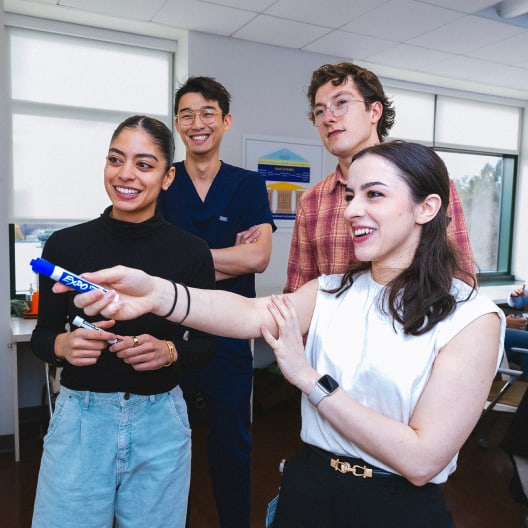
We capitalized on collective leadership experiences in graduate and undergraduate medical education and created a set of guiding principles for curriculum design. These include: creating an “adult learner” environment that values independent study and self-directed learning, building upon experiential and active small group case-based learning, focusing on conceptual knowledge in action and not memorizing facts, utilizing assessment to drive learning, developing a fully integrated four-year science and clinical curriculum and reflecting on the transformation from person to professional.
Our Educational Program Objective Curriculum Card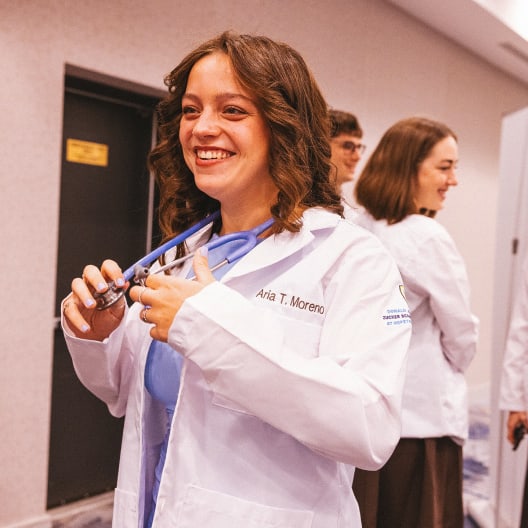
Years 1 & 2
First 100 Weeks
The First 100 Weeks of our student-centered curriculum is composed of the first and second years of the educational program. It is comprised of seven integrated courses.
Fow Courses Additional Curricular Initiatives Learn More About FOW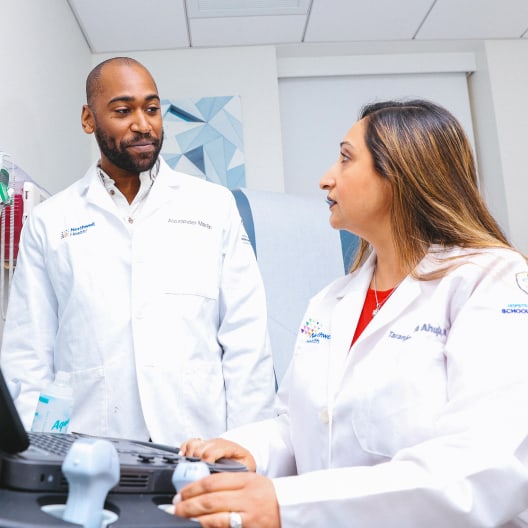
Years 3 & 4
Second 100 Weeks
The Second 100 Weeks is composed of the third and fourth years of the educational program. During the third year, students rotate through paired clerkships to integrate related basic and clinical sciences, in both inpatient and ambulatory settings.
Learn MoreGet in touch
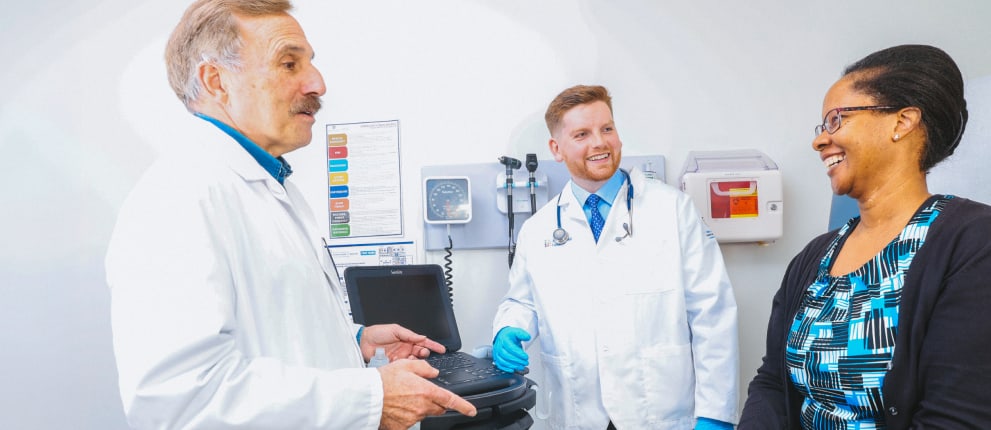
Through early clinical experiences, case-based learning, and a curriculum built around critical thinking and self-direction, we prepare you for the medicine of today and tomorrow.